
Plantar Fasciitis Relief in Littleton, CO
Start Your Day Without Dreading the First Step
Heel and arch pain can make walking, standing, training, and getting through a workday uncomfortable. Raise Chiropractic in Littleton, CO, evaluates the foot, ankle, calf, and movement pattern before recommending a personalized plan.
What Is Plantar Fasciitis?
The plantar fascia is a strong band of connective tissue that runs along the bottom of the foot from the heel toward the toes. It helps support the arch and manage force with every step. When that tissue becomes overloaded or irritated, pain commonly develops near the heel or along the arch.
The painful area is only part of the picture. Limited ankle motion, calf tension, changes in footwear, training volume, standing time, and the way the hip and leg control each step may all affect the load placed on the plantar fascia.
Common Symptoms of Plantar Fasciitis
Sharp heel pain with the first steps in the morning
Arch or heel pain after sitting for a while
Discomfort during prolonged standing or walking
Pain that increases after running or exercise
Tenderness near the inside or bottom of the heel
Calf tightness or limited ankle movement
Common Causes of Plantar Fasciitis
Plantar fascia irritation often develops when the amount of load placed on the foot increases faster than the tissue can comfortably manage. Several movement and activity factors may contribute.
Sudden Activity Changes
A rapid increase in walking, running, standing, or training can place more demand on the plantar fascia than it is ready to manage.
Calf and Ankle Restrictions
Limited ankle motion or persistent calf tension may change how the foot loads during walking, running, and other weight-bearing activities.
Prolonged Standing or Hard Surfaces
Long work shifts, hard flooring, or limited recovery between active days can repeatedly stress the heel and arch.
Footwear and Load Distribution
Changes in shoes, worn-out footwear, or the way the foot and leg manage each step may increase strain through the plantar fascia.
How Raise Approaches Plantar Fasciitis
Your plan is based on symptom sensitivity, ankle and foot movement, tissue tolerance, and the activities you need to return to. Care may combine targeted tissue treatment with mobility support and practical changes to how the foot is loaded.
Shockwave Therapy
Acoustic wave treatment may be considered for persistent plantar fascia or heel discomfort when it fits your examination findings.
Explore this service → 02 / SOFT TISSUECupping, Scraping & Myofascial Release
Targeted soft tissue care may address tension through the calf, ankle, and bottom of the foot when those areas affect movement.
Explore this service → 03 / ADDED SUPPORTKinesio Taping
Kinesio taping may provide temporary support for the foot and arch while allowing you to continue moving through daily activities.
Explore this service →We Look at the Painful Area and How Your Entire Leg Manages Each Step.
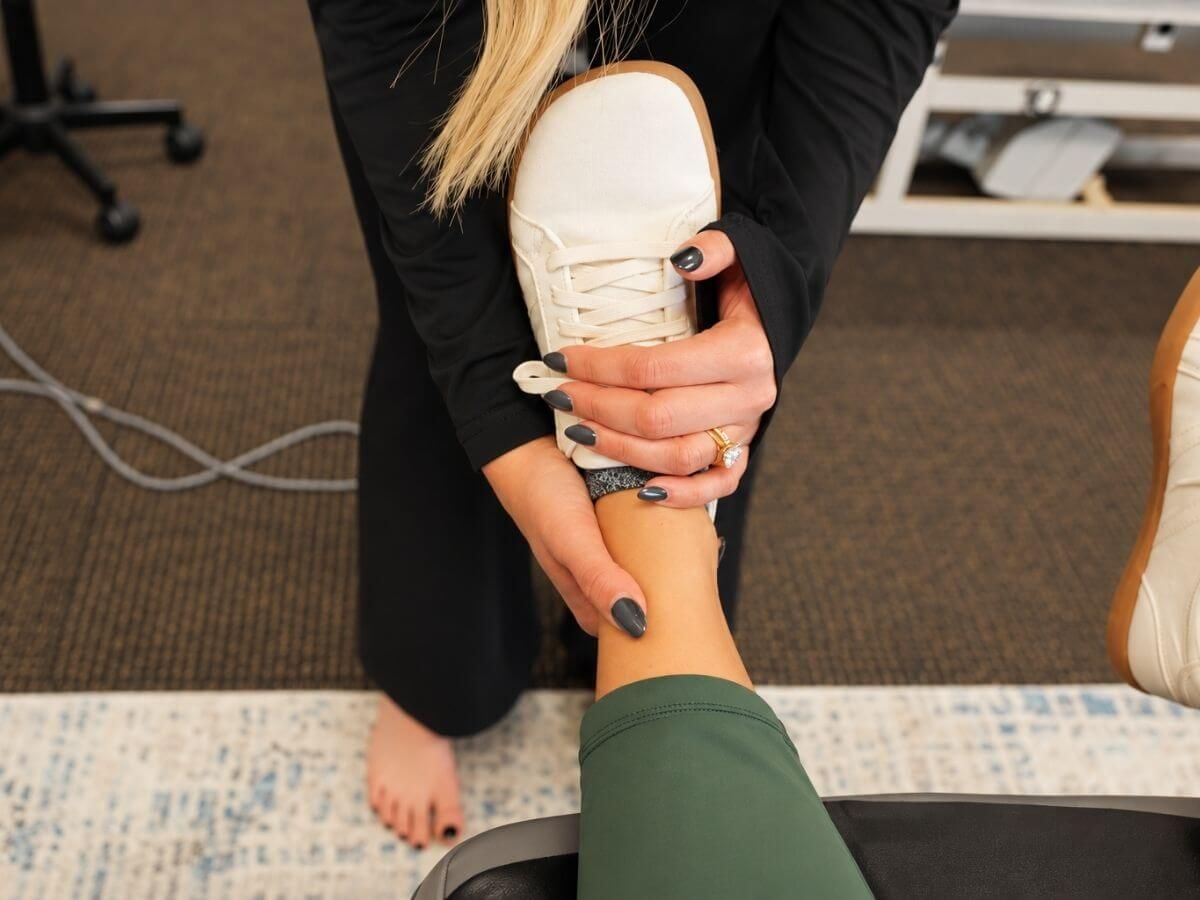
Your first visit is designed to clarify where the pain begins, which activities increase it, and how the foot, ankle, calf, knee, and hip manage movement. We explain the findings before discussing care.
Review the Symptom and Activity Pattern
We discuss when the pain began, where you feel it, how the first steps of the day feel, and which work, walking, or training demands affect it.
Assess the Foot, Ankle, and Leg
Your examination may include foot and ankle motion, calf flexibility, strength, balance, walking, and movements connected to your symptoms.
Review the Findings Together
We explain which tissues and movement factors appear to be involved and whether care at Raise, imaging, or another evaluation is the appropriate next step.
Build a Focused Care Plan
If care is appropriate, recommendations will reflect your examination, comfort, activity demands, and goals.
We Have You Covered
Explore personalized care for pain, injuries, and movement problems at Raise Chiropractic.
Plantar Fasciitis Relief in Littleton, Colorado
Our office is located at 8204 S Kipling Pkwy, Suite C130, Littleton, CO 80127, convenient to Ken Caryl, Morrison, Lakewood, Highlands Ranch, and nearby communities.
Open in Google MapsQuestions Before Your First Visit
Can plantar fasciitis improve with conservative care?
Why is plantar fasciitis often worse in the morning?
Do I need imaging for heel pain?
When does heel or foot pain require prompt medical attention?
Schedule a Plantar Fasciitis Evaluation in Littleton, CO.
If heel or arch pain is limiting walking, work, exercise, or time on your feet, schedule a focused evaluation at Raise Chiropractic to better understand what may be contributing.