Knee Pain Treatment in Littleton, CO
Your Knee Feels Fine Until You Squat, Run, or Stand Up Again.
Knee pain can change how you use stairs, squat, run, train, and even get out of a chair. Raise Chiropractic provides personalized knee pain treatment in Littleton, CO, focused on identifying what is overloading the knee and rebuilding the strength and control needed for everyday movement.
What Is Knee Pain?
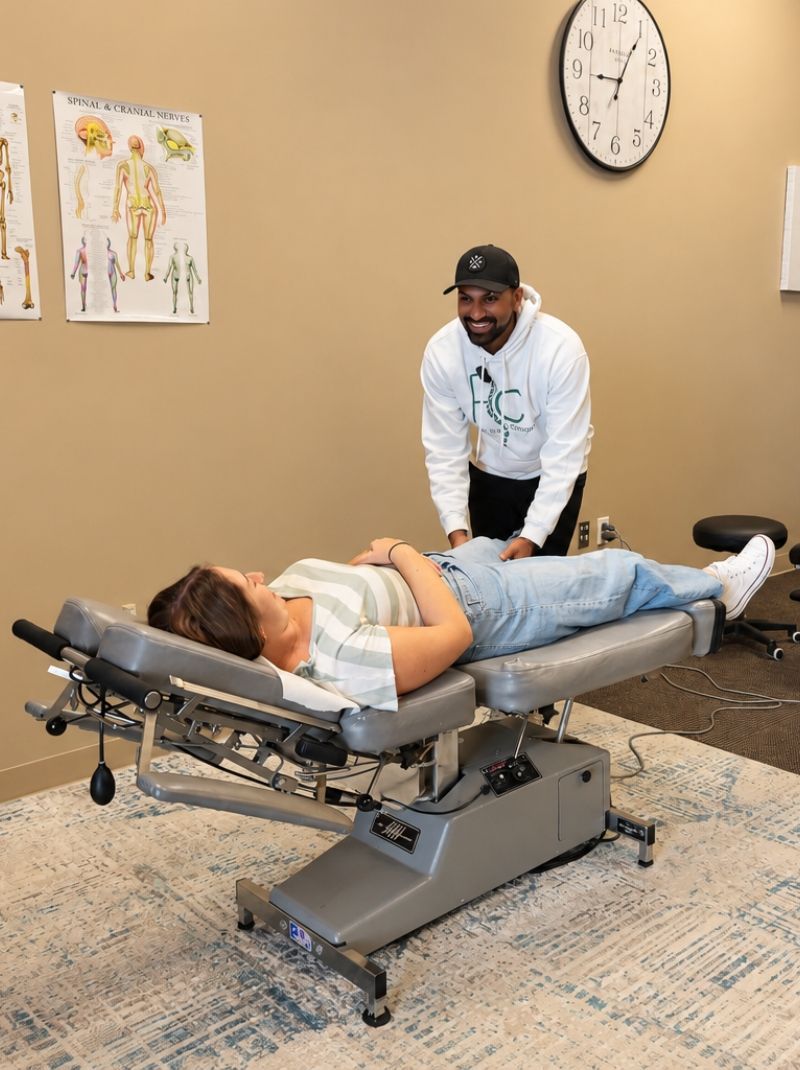
Knee pain may involve the kneecap, joint surfaces, ligaments, tendons, muscles, or surrounding tissues that help the leg absorb force. Symptoms may begin after an injury, but they can also build gradually through running, lifting, training, work, or repeated stress.
The knee works between the hip and ankle during every step, squat, landing, and change of direction. Hip strength, ankle mobility, training volume, and the way the leg manages load may all influence knee symptoms. A focused evaluation helps identify which factors need attention.
Common Symptoms of Knee Pain
Pain around, behind, or below the kneecap
Pain along the inside or outside of the knee
Stiffness after sitting or first getting up
Pain with stairs, squatting, running, or jumping
Clicking, catching, or a feeling that the knee may give way
Swelling or reduced confidence during activity
Common Causes of Knee Pain
Knee pain often reflects more than one contributing factor. Your symptom pattern, mobility, strength, previous injuries, training, and daily demands help us determine where care should begin.
Kneecap or Joint Irritation
The kneecap and joint surfaces may become sensitive when repeated bending, loading, or impact exceeds what the knee currently tolerates.
Tendon or Muscle Irritation
The patellar, quadriceps, hamstring, or other tissues around the knee may become sensitive after repetitive loading or a sudden increase in activity.
Hip and Leg Strength Gaps
Reduced hip, quadriceps, hamstring, or calf strength can change how the knee manages stairs, squats, running, landing, and direction changes.
Limited Hip or Ankle Mobility
Restrictions above or below the knee can change how the leg moves and shift additional demand toward the knee during everyday and athletic tasks.
Work, Sports, or Training Load
Running, court sports, hiking, lifting, prolonged standing, or increasing training too quickly can exceed the knee's current capacity.
Previous Injury or Compensation
An earlier foot, ankle, knee, or hip injury may change how you load the leg and place repeated stress on the knee over time.
How Raise Approaches Knee Pain
Your plan is based on how the knee moves, how the entire leg manages load, and which activities you want to return to. Care may combine joint treatment, progressive strengthening, movement retraining, and practical guidance for stairs, walking, running, training, or sport.
Spinal & Extremity Manipulation
Targeted treatment may be used when restricted motion in the knee, hip, ankle, or related joints is contributing to pain or altered movement.
View this service → 02 / MOVEMENTPhysical Therapy
Movement-based care may address knee motion, hip and leg strength, balance, walking mechanics, and the demands of work, exercise, or sport.
View this service → 03 / TISSUE RECOVERYShockwave Therapy
Shockwave therapy may support stubborn tendon-related knee pain by stimulating circulation and the body’s natural tissue-repair response in the affected area.
View this service →We Start With the Stair, Squat, or Run That Keeps Exposing the Problem.
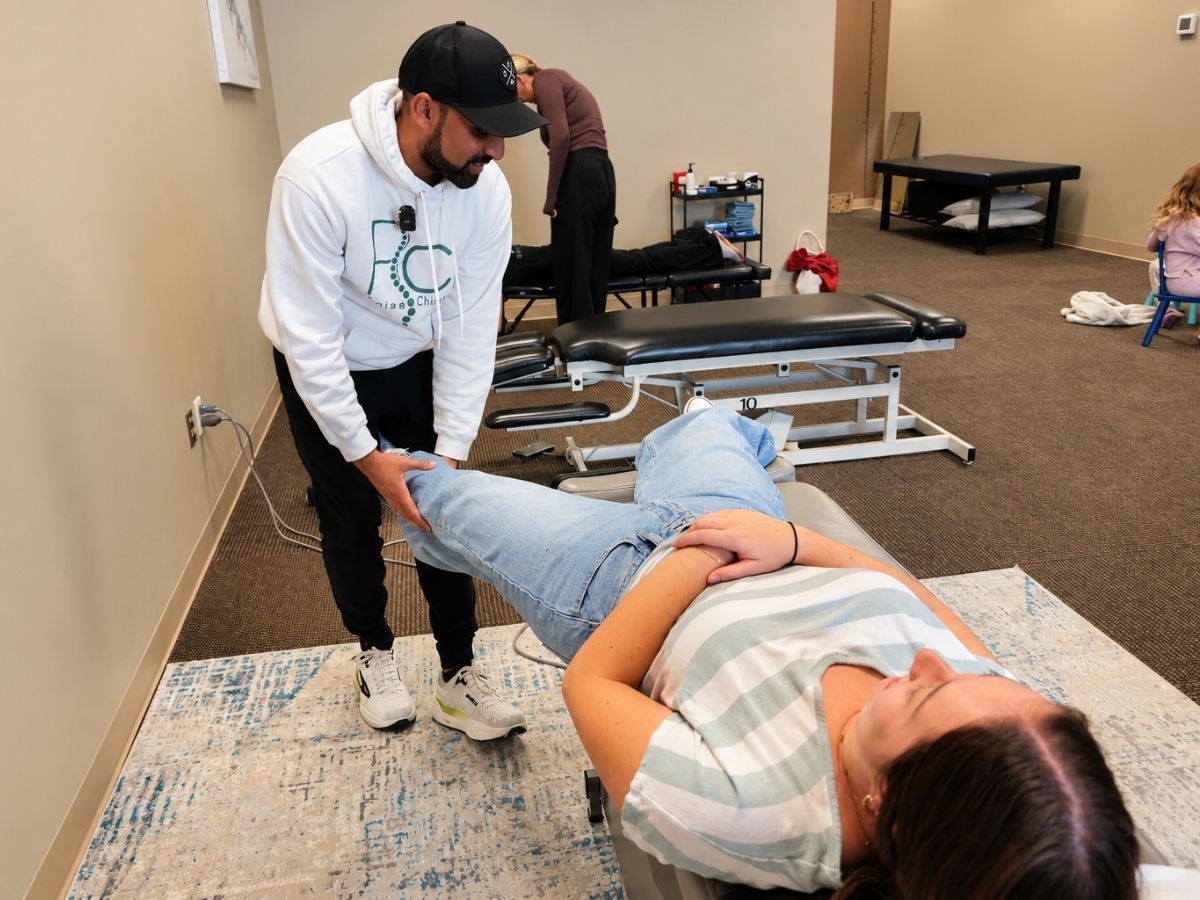
Your first visit focuses on where you feel pain, when it appears, and which movements you have started avoiding. We assess the knee while also looking at the hip, ankle, strength, balance, and movement patterns that influence how the leg handles force.
Review Your Symptoms and Goals
We discuss when the pain began, previous injuries, what aggravates or eases it, daily demands, training, sports, and what you want to return to.
Assess the Knee and Connected Areas
Your examination may include walking, knee, hip and ankle motion, strength, balance, single-leg control, neurological screening, and movements connected to your symptoms.
Review the Findings Together
We explain which joints, tissues, muscles, and movement patterns may be contributing and whether care at Raise is appropriate for your presentation.
Build a Focused Care Plan
If care at Raise is appropriate, recommendations will reflect your findings, daily demands, activity level, symptom response, and personal goals.
We Have You Covered
Find personalized care for pain, injuries, and movement problems at Raise Chiropractic.
Knee Pain Treatment in Littleton, Colorado
Our office is located at 8204 S Kipling Pkwy, Suite C130, Littleton, CO 80127, convenient to Ken Caryl, Morrison, Lakewood, Highlands Ranch, and nearby communities.
Open in Google MapsQuestions Before Your First Visit
Can chiropractic care help with knee pain?
Why does my knee hurt when going down stairs?
Will I receive treatment at my first visit?
When does knee pain need urgent medical attention?
Schedule Knee Pain Treatment in Littleton, CO.
If knee pain is affecting stairs, walking, work, running, training, or everyday movement, schedule a focused evaluation at Raise Chiropractic in Littleton.